Everest Heat Treaters An ISO 9001:2015 certified company

Processes

How we run each process

Eight processes, for ferrous and non-ferrous metals. We work to your specification, and where there isn’t one, to ASTM and other general standards. Whatever hardness you need, we have the experience to reach it.

Hardening & Tempering

Hardening & Tempering

Heat, quench in oil, then temper back to the hardness the part needs. The cycle is set by the material.

Result
The hardness your drawing specifies

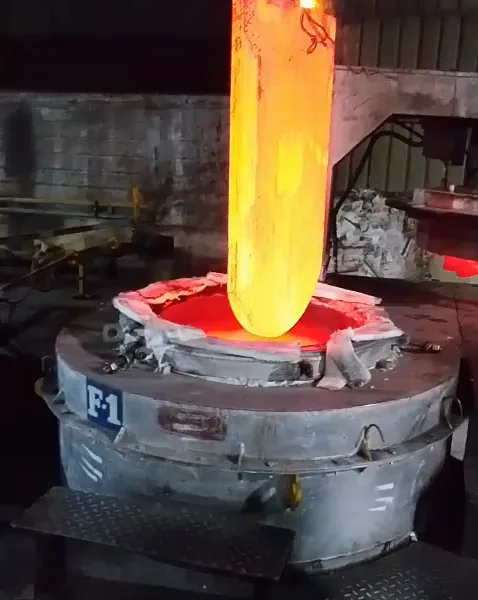
Hardening makes steel hard and strong. The part is heated above its critical temperature until the whole section has changed structure, then cooled fast in a quench. That locks the steel into its hardest form. Hardened steel on its own is brittle, so it is always tempered: heated again to a lower temperature that trades a little hardness for toughness, until it lands at the hardness the part needs.

How we do it

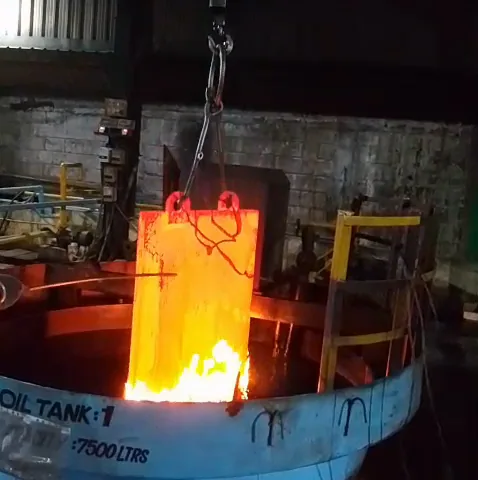
Take EN24. We bring it up to its hardening temperature, hold until the full section is through, and quench it in oil. It is then tempered to the hardness on your drawing, and checked before it leaves.

  • Cycle set by the grade
  • Oil quenching
  • Tempered to the hardness you ask for
  • Hardness checked before dispatch
EN24EN19EN8EN9EN31C45410
Case Hardening & Tempering

Case Hardening & Tempering

A hard, wear-resistant case over a tough core. Carbon goes into the surface first, then the part is hardened.

Result
1.5–2 mm case from a six-hour soak

Case hardening gives a part two properties at once: a hard, wear-resistant surface and a tough core that takes shock. Low-carbon steel cannot harden much on its own, so carbon is diffused into the surface first (carburising). The part is then hardened and tempered, and only the carbon-rich case becomes hard.

How we do it

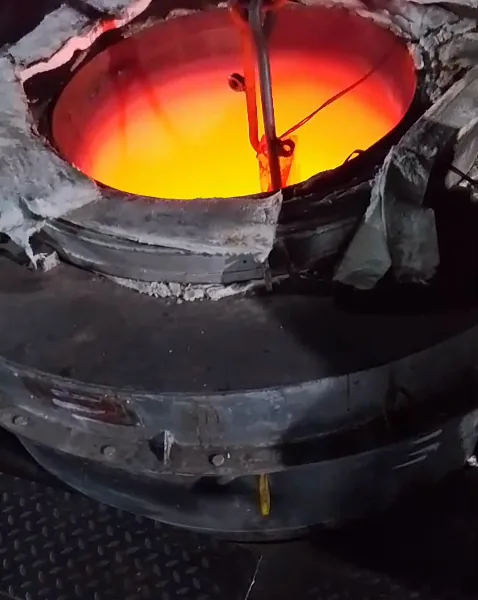
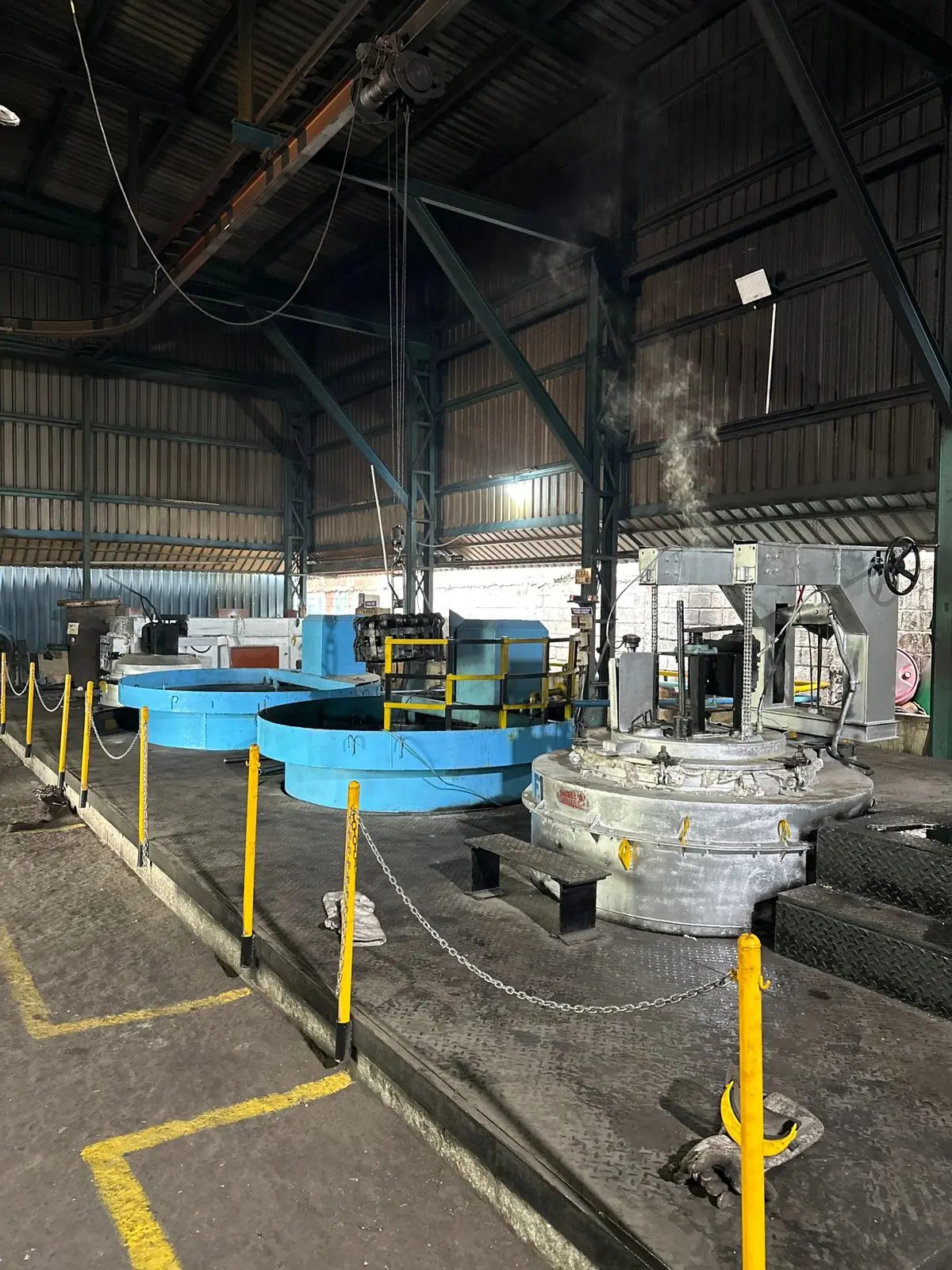
Take EN1A. We carburise it in the pit furnace; a six-hour soak builds a case about 1.5 to 2 mm deep. For case hardening and tempering, the charge is brought down to its hardening temperature, soaked for an hour and quenched in oil or water, depending on the grade. When only the case is wanted, the parts cool inside the furnace and come out ready for machining.

  • Gas carburised in the pit furnace
  • Six-hour soak for a 1.5–2 mm case
  • Hardened after a one-hour soak
  • Oil or water quench, or furnace cooled for case only
EN1AEN36EN353SAE 862016MnCr520MnCr5
Annealing

Annealing

Making a material softer so it machines and forms easily. Heated for its grade, then cooled in the furnace.

Result
Softened and ready to machine

Annealing makes a material soft. It relieves the hardness left by forging, cold work or an earlier treatment, so the part machines and forms easily. The material is heated to its annealing temperature, held until it is even all the way through, and then cooled very slowly. That slow cool is what leaves it soft.

How we do it

Take 410 stainless. We bring it to its annealing temperature, soak it for its section, then let it cool inside the furnace and take it out only once it has cooled.

  • Cycle set by the grade
  • Soaked through the full section
  • Cooled inside the furnace
  • Taken out after cooling
410EN31EN8C45CastingsForgings
Normalising & Tempering

Normalising & Tempering

The step after forging. Heated, held for the section thickness, and cooled in air.

Result
A refined, even grain after forging

Normalising refines the coarse, uneven grain left by forging or casting, so the metal is uniform and behaves predictably in machining and in any later treatment. The part is heated above its critical range, held for its thickness and cooled in still air, then tempered where the specification asks.

How we do it

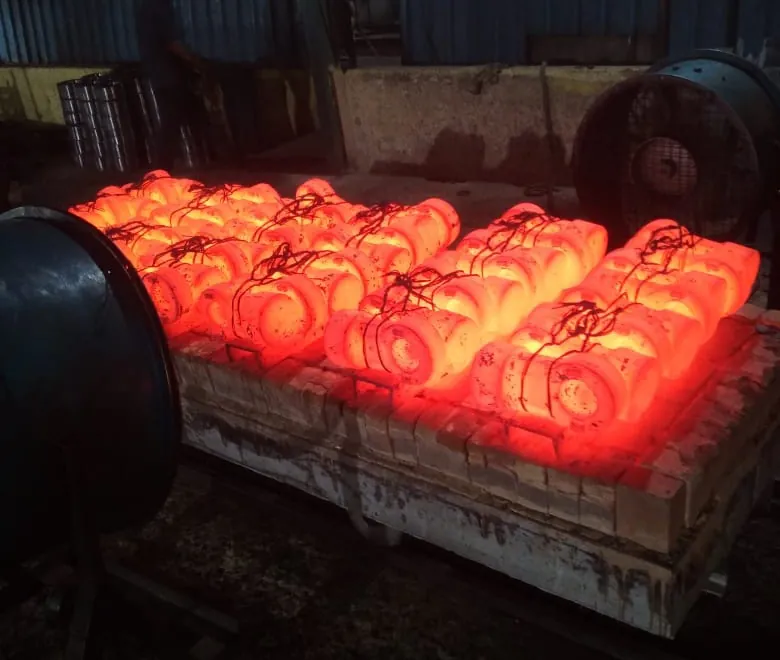
Most of our normalising is forgings. The temperature follows the grade and the standard, and the holding time follows thickness: a 50 mm section holds about two hours, then comes out and cools in air.

  • Temperature as per standard
  • Holding time set by section thickness
  • About two hours for a 50 mm section
  • Air cooled, then tempered
ForgingsEN8EN19C45Carbon steels
Stress Relieving

Stress Relieving

Mostly for welded components. Taking out the stress welding leaves behind, without changing the hardness.

Result
Stress relieved, hardness unchanged

Stress relieving removes the stress locked into a part by welding, heavy machining or forming, which can otherwise crack the part or move its dimensions later. The part is held below its critical temperature and cooled slowly, so hardness and structure stay as they are and only the stress lets go.

How we do it

Most of our stress relieving is welded work. A cast valve body with weld built up on top, for example, carries different stresses in the base metal and the weld. We hold the whole part at the temperature its grade and welding procedure call for, then cool it slowly so both relax evenly.

  • Welded components and fabrications
  • Base metal and weld relieved together
  • Cycle set by grade and welding procedure
  • Slow, even cooling
WeldmentsValve bodiesCastingsFabrications
Solution Annealing

Solution Annealing

For non-magnetic stainless steels. Heated high, then quenched within 20 seconds.

Result
Corrosion resistance restored, magnetism relieved

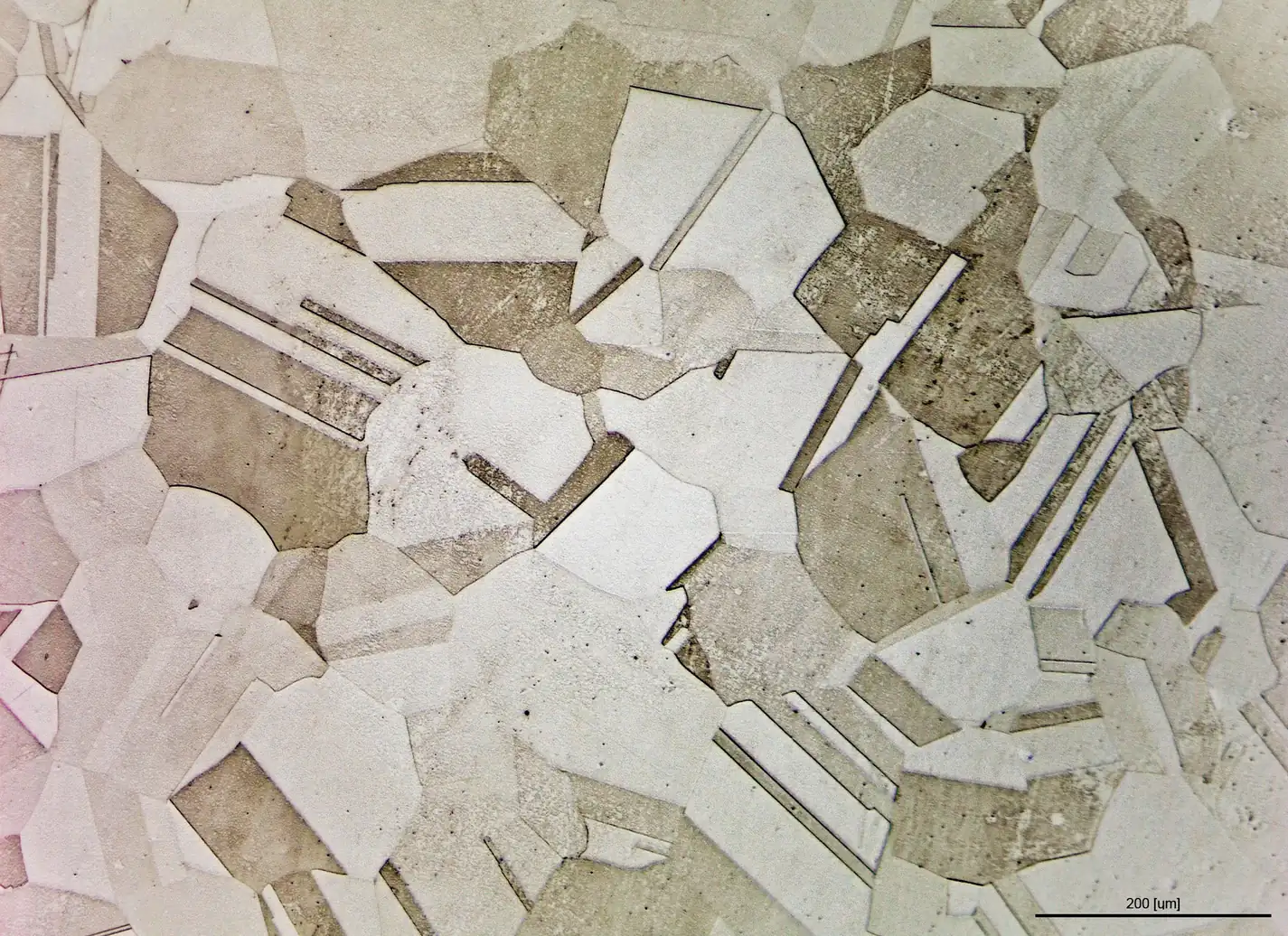
Solution annealing is for austenitic, non-magnetic stainless steels. Heating to a high temperature dissolves carbides and other phases back into the metal, and a fast liquid quench keeps them dissolved. It restores corrosion resistance and toughness, and relieves the magnetism that welding or cold work can bring in.

How we do it

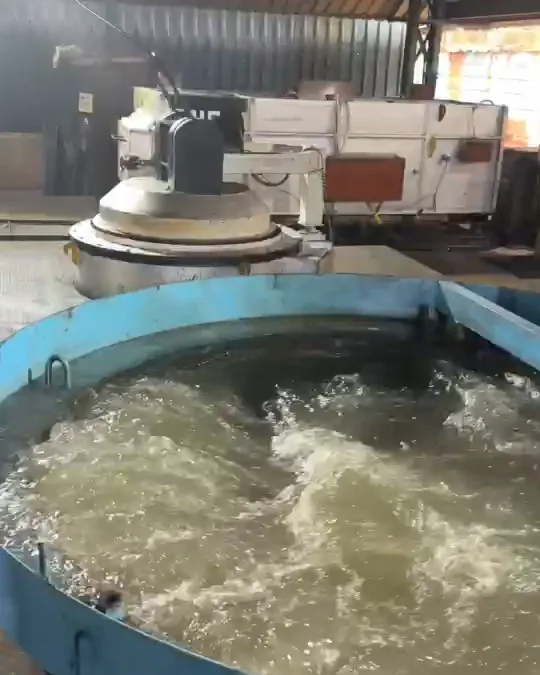
We heat stainless charges to their solution temperature and hold for a time set by thickness, often around two hours. The parts then go from the furnace into the quench within 20 seconds, which is what fixes the structure.

  • Solution temperature for the grade
  • Soak time by thickness, around two hours
  • Into the quench within 20 seconds
  • Relieves induced magnetism
304316321347Duplex
Age Hardening & Precipitation Hardening

Age Hardening & Precipitation Hardening

For special grades like 718. After solution treatment, two long ageing holds bring out the strength.

Result
Precipitation hardened to specification

Age hardening, or precipitation hardening, strengthens special alloys that do not harden by quenching. After solution treatment, the metal is held for long periods at lower temperatures, and fine particles precipitate inside it. Those particles are what raise the strength and hardness.

How we do it

Take 718. After solution treatment it soaks for ten hours at the first ageing temperature, is furnace cooled to the second, held there for eight hours, and then air cooled.

  • Solution treated first
  • Ten-hour soak at the first ageing step
  • Furnace cooled to the second step, eight-hour hold
  • Air cooled
71817-4 PHPH stainless
Stabilising

Stabilising

For the stabilised stainless grades F321 and F347, run to the cycle their specification sets.

Result
Protected against grain-boundary corrosion

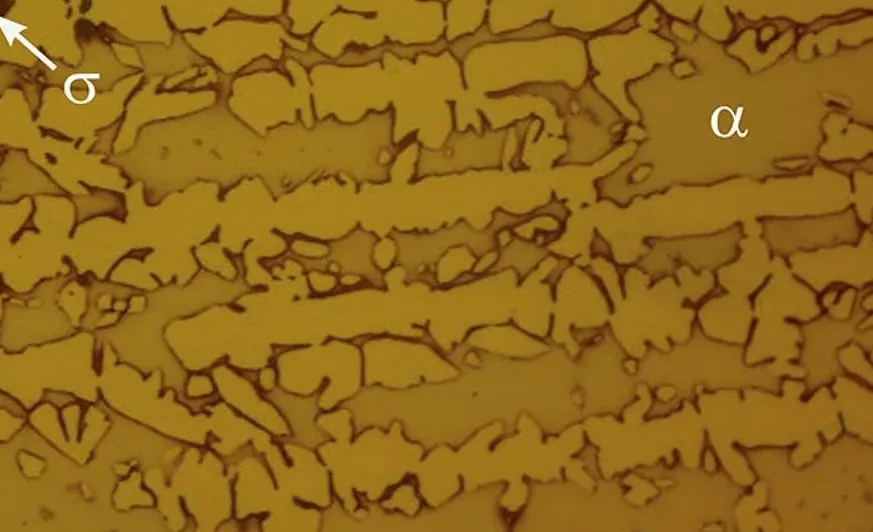
Stabilising is for stainless steels alloyed with titanium or niobium. Held at the right temperature, those elements tie up the carbon before chromium can, so chromium carbides do not form at the grain boundaries. The steel stays corrosion resistant, even after welding or in high-temperature service.

How we do it

We stabilise F321 and F347, holding each to the cycle its specification sets.

  • F321 and F347
  • Held to the specified cycle
  • Protects against grain-boundary corrosion
  • For high-temperature service
F321F347

Contact

Send us the grade and the hardness.

We will get back to you soon.